The Great Migration is not a single event — it's an eternal cycle, a 1,200-mile journey that has been repeated for millennia. Each year, over 2 million wildebeest, accompanied by hundreds of thousands of zebras and gazelles, follow the rains across the Serengeti ecosystem in search of fresh grazing.
December - March: Calving Season (Southern Serengeti & Ndutu)
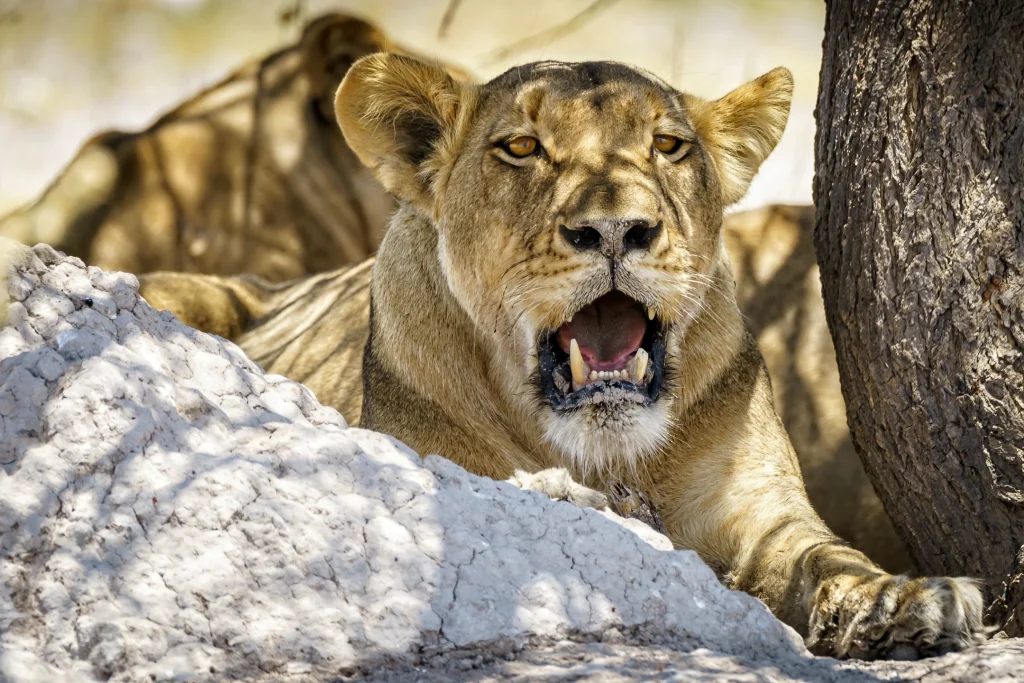
The herds gather in the nutrient-rich short-grass plains of the southern Serengeti and Ndutu area. This is calving season — over 8,000 calves are born daily during the peak in February. The abundance of young prey attracts predators in unprecedented numbers. Lion, cheetah, leopard, and hyena are all active, making for incredible predator-prey interactions.
What you'll see: Thousands of wildebeest with tiny calves, high predator activity, green landscapes.
April - May: The Journey North (Central & Western Serengeti)
As the rains end, the herds begin moving northwest. This is the long rains season — fewer visitors mean you'll have the parks almost to yourself. The Western Corridor near Grumeti River can see early river crossings.
June - July: The Rut & Grumeti Crossing (Western Corridor)
The wildebeest enter their mating season (the rut) as they approach the Grumeti River. Males compete fiercely for females, creating a cacophony of grunts and clashes. The Grumeti River crossing is the first major water obstacle.
August - October: Mara River Crossings (Northern Serengeti)
This is what most people picture when they think of the Great Migration. The herds reach the Mara River, where they must cross into Kenya's Maasai Mara. Crocodiles lie in wait, and the banks are steep and treacherous. Watching thousands of wildebeest gather at the river's edge, hesitating, then plunging in one after another is an emotional experience you'll never forget.
November: The Return South
The short rains begin, and the herds start their journey back to the southern Serengeti, completing the cycle.
Tip: The migration is a year-round event in different locations. There's no single "best time" — it depends on what you want to see!